
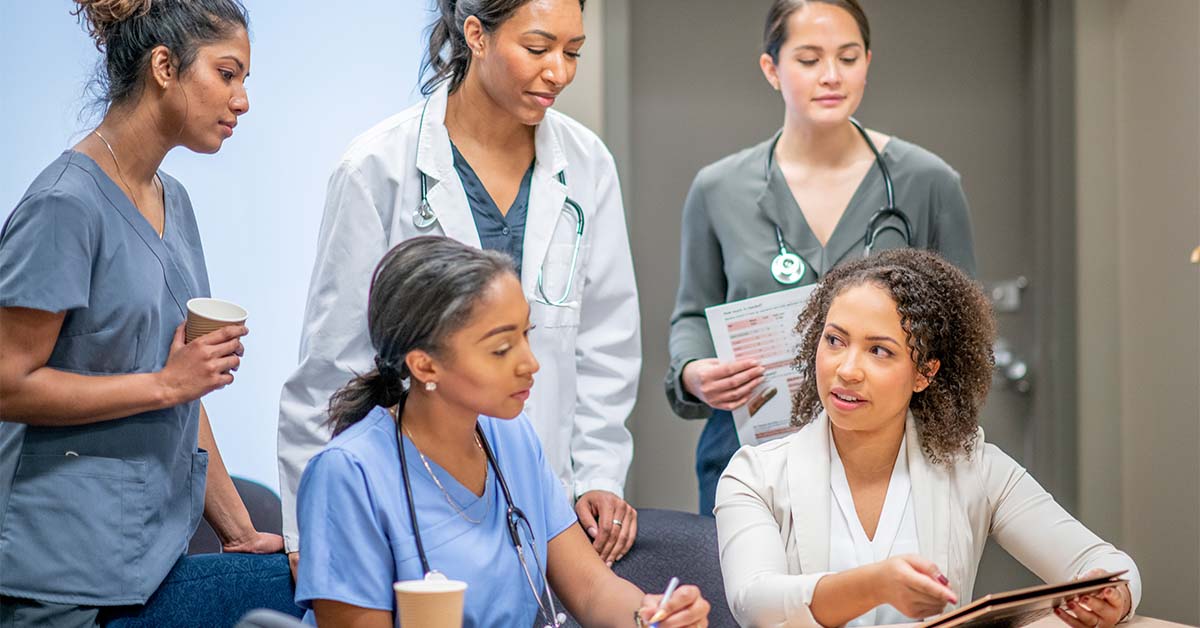
Nursing is one of the most trusted and essential professions in healthcare. Nurses work at the frontline of patient care, combining clinical expertise, compassion, and critical thinking to support individuals, families, and communities. Their role extends far beyond bedside care, influencing healthcare outcomes, patient safety, and system efficiency.
What Is Nursing?
Nursing is a healthcare profession focused on promoting health, preventing illness, and caring for individuals across the lifespan. Nurses collaborate with physicians and other healthcare professionals while also advocating for patients’ physical, emotional, and psychological needs.
At its core, nursing balances science and empathy, making it both a technical and deeply human-centered profession.
Key Roles and Responsibilities of Nurses
Nurses perform a wide range of duties depending on their education, specialization, and workplace.
Core Responsibilities
-
Monitoring patient conditions and vital signs
-
Administering medications and treatments
-
Assisting with diagnostic tests and procedures
-
Educating patients and families about care plans
-
Advocating for patient safety and ethical care
-
Coordinating with multidisciplinary healthcare teams
Advanced Responsibilities
-
Developing patient care plans
-
Managing chronic illnesses
-
Leading healthcare teams
-
Participating in research and quality improvement initiatives
Types of Nursing Careers
Nursing offers diverse career paths, allowing professionals to work in various clinical and non-clinical settings.
Common Nursing Roles
-
Registered Nurse (RN): Provides direct patient care in hospitals, clinics, and community settings
-
Licensed Practical/Vocational Nurse (LPN/LVN): Supports RNs and physicians with basic patient care
-
Nurse Practitioner (NP): Diagnoses conditions and prescribes treatments in many regions
-
Clinical Nurse Specialist (CNS): Focuses on specialized clinical expertise and leadership
-
Nurse Educator: Trains future nurses in academic or clinical environments
-
Nurse Administrator: Oversees healthcare operations and nursing staff
Essential Skills Every Nurse Needs
Successful nurses rely on a combination of technical knowledge and interpersonal abilities.
Clinical and Technical Skills
-
Patient assessment and documentation
-
Medication management
-
Infection control practices
-
Use of healthcare technology and electronic records
Soft Skills and Personal Qualities
-
Strong communication and active listening
-
Emotional intelligence and empathy
-
Critical thinking and problem-solving
-
Time management in high-pressure environments
-
Adaptability and resilience
Education and Training in Nursing
Becoming a nurse requires formal education and licensure, which varies by role and location.
Common Educational Pathways
-
Diploma or Associate Degree in Nursing (ADN)
-
Bachelor of Science in Nursing (BSN)
-
Master’s or Doctoral degrees for advanced practice roles
After completing education, nurses must pass licensing examinations and often pursue continuing education to stay current with best practices.
The Impact of Nursing on Patient Outcomes
Nurses play a critical role in improving healthcare quality and patient satisfaction.
-
Reduced hospital-acquired infections
-
Improved patient recovery times
-
Better management of chronic conditions
-
Enhanced patient education and adherence to treatment
Their continuous presence ensures early detection of complications and personalized care.
Challenges Faced by the Nursing Profession
Despite its rewards, nursing comes with notable challenges.
-
Long and irregular working hours
-
Physical and emotional demands
-
Staffing shortages in many regions
-
Exposure to high-stress and critical situations
Addressing these challenges is essential to maintaining a strong and sustainable healthcare workforce.
The Future of Nursing
The nursing profession continues to evolve with advancements in technology, telehealth, and patient-centered care models. Nurses are increasingly involved in leadership, policy-making, and innovation, shaping the future of healthcare delivery worldwide.
Frequently Asked Questions (FAQs)
1. What makes nursing a unique healthcare profession?
Nursing uniquely combines clinical expertise with continuous patient interaction, advocacy, and holistic care.
2. Is nursing only about hospital work?
No, nurses work in schools, communities, research centers, corporate settings, and home healthcare environments.
3. How long does it take to become a nurse?
It depends on the chosen pathway, ranging from one to four years for entry-level roles, with additional time for advanced practice.
4. Are there opportunities for career growth in nursing?
Yes, nursing offers extensive advancement options through specialization, leadership, education, and advanced practice roles.
5. What personal traits are most important for nurses?
Empathy, resilience, strong communication skills, and critical thinking are essential traits for success in nursing.
6. Can nurses specialize in specific medical fields?
Yes, nurses can specialize in areas such as pediatrics, oncology, critical care, mental health, and geriatrics.
7. How does nursing contribute to public health?
Nurses promote disease prevention, health education, community outreach, and early intervention across populations.
