
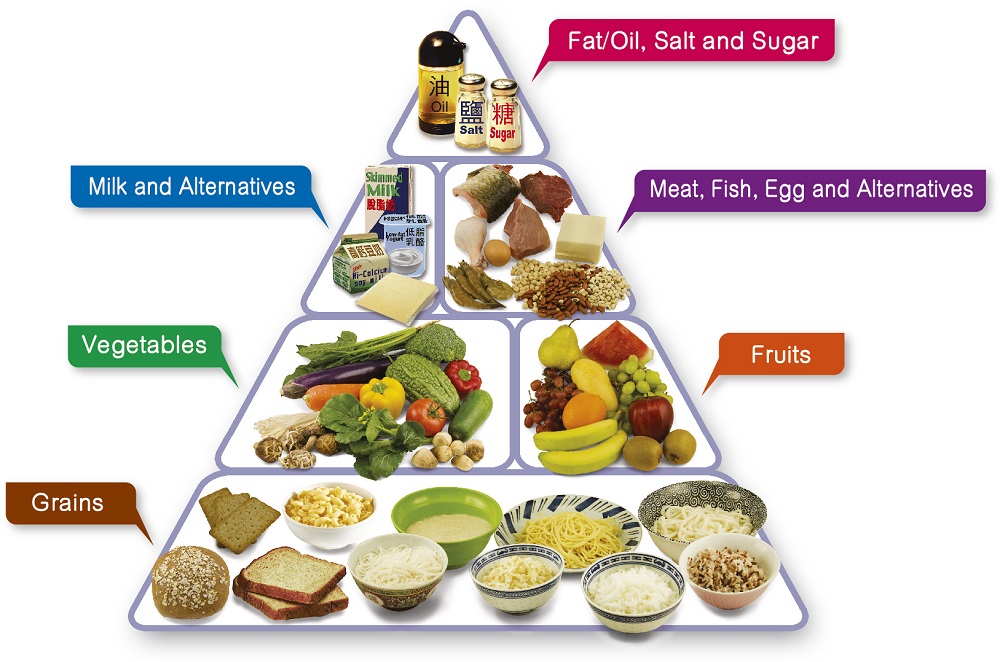
Health is not a single habit or a short-term goal. It is a lifelong balance of physical vitality, mental clarity, emotional stability, and preventive care. In today’s fast-paced world, maintaining good health requires intentional choices that support the body and mind together.
This article explores essential pillars of health and practical ways to strengthen them without unnecessary complexity.
Understanding Health Beyond the Basics
Health is often mistaken as the absence of illness. In reality, it is a dynamic state of well-being that allows you to function at your best every day. True health combines:
-
Physical strength and resilience
-
Mental and emotional balance
-
Healthy lifestyle behaviors
-
Preventive awareness
When these elements work together, the body becomes more adaptable to stress, aging, and environmental challenges.
The Role of Physical Health in Daily Life
Physical health forms the base of overall wellness. It influences energy levels, immunity, posture, sleep quality, and long-term disease risk.
Key Components of Physical Health
-
Regular movement to maintain flexibility and strength
-
Balanced nutrition to fuel bodily functions
-
Quality sleep for recovery and hormone regulation
-
Hydration to support metabolism and circulation
Ignoring physical health often leads to fatigue, weakened immunity, and chronic discomfort that affects daily productivity.
Mental Health: The Silent Driver of Well-Being
Mental health plays a crucial role in how we think, feel, and react to life. Stress, anxiety, and emotional exhaustion can quietly disrupt physical health if left unmanaged.
Ways to Support Mental Wellness
-
Practicing mindfulness or meditation
-
Maintaining healthy social connections
-
Setting realistic boundaries at work and home
-
Taking regular breaks from digital overload
A stable mind improves focus, decision-making, and emotional resilience during difficult situations.
Nutrition: Fueling the Body the Right Way
Food is information for the body, not just calories. The quality of nutrition directly affects energy, digestion, brain function, and immunity.
Principles of Healthy Nutrition
-
Prioritize whole, minimally processed foods
-
Include lean proteins, healthy fats, and complex carbohydrates
-
Eat a variety of fruits and vegetables for micronutrients
-
Practice portion awareness rather than restriction
Sustainable nutrition is about consistency, not perfection.
Sleep and Recovery: The Underrated Health Pillar
Sleep is when the body repairs tissues, balances hormones, and consolidates memory. Poor sleep weakens immunity and increases the risk of metabolic and mental health issues.
Healthy Sleep Habits
-
Maintain a consistent sleep schedule
-
Limit caffeine late in the day
-
Reduce screen exposure before bedtime
-
Create a calm, dark sleeping environment
Quality sleep improves mood, concentration, and long-term health outcomes.
Preventive Health: Staying Ahead of Problems
Preventive care helps detect issues early and reduces the risk of serious conditions.
Preventive Practices to Adopt
-
Regular health checkups and screenings
-
Staying updated on vaccinations
-
Managing stress before it becomes chronic
-
Listening to early warning signs from the body
Prevention is often simpler, less costly, and more effective than treatment.
Building Sustainable Healthy Habits
Lasting health is built through small, repeatable actions rather than drastic changes. Consistency matters more than intensity.
Tips for Long-Term Success
-
Start with one habit at a time
-
Track progress without obsession
-
Adjust routines as life changes
-
Focus on how habits make you feel, not just results
Health should support your lifestyle, not restrict it.
FAQ: Health and Wellness
What is the most important factor for overall health?
There is no single factor. Balance between physical activity, nutrition, mental health, sleep, and preventive care creates sustainable health.
How much exercise is needed to stay healthy?
Most adults benefit from at least 150 minutes of moderate activity per week, combined with basic strength training.
Can mental health affect physical health?
Yes. Chronic stress and anxiety can weaken immunity, disrupt sleep, and increase the risk of heart and digestive issues.
Is diet more important than exercise?
Both work together. Nutrition fuels the body, while exercise strengthens and regulates it. Neither is effective alone.
How can busy people maintain good health?
By focusing on simple habits like daily movement, balanced meals, hydration, and consistent sleep routines.
Does aging automatically mean poor health?
No. With proper lifestyle choices, many people maintain strength, mobility, and mental clarity well into later years.
When should preventive health checkups begin?
Preventive care should start in early adulthood and continue regularly, adjusted based on age, family history, and lifestyle.
