
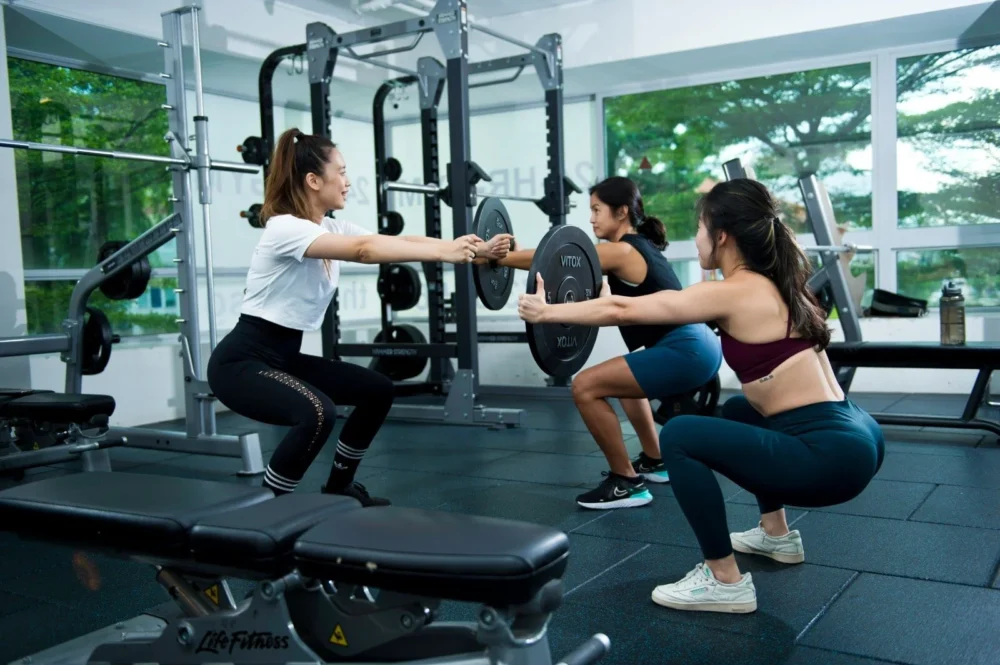
Working with a fitness trainer Singapore is no longer limited to in-person sessions at a gym. In recent years, hybrid and remote training models have become increasingly popular, especially after the pandemic changed how people view exercise and convenience. Today, clients expect flexibility, accessibility, and digital support alongside physical coaching. Trainers in Singapore have responded by blending traditional one-on-one guidance with technology-driven options that suit modern lifestyles.
Whether you are a busy professional, a parent juggling multiple responsibilities, or someone who prefers training in private, hybrid training provides solutions that fit into your daily routine. By combining physical sessions with online programmes, trainers can deliver a balance of structure and flexibility that helps clients stay consistent.
Why Hybrid Training Emerged as a Necessity
Before the pandemic, most personal training in Singapore happened inside gyms or studios. Online coaching existed but was often limited to overseas trainers serving international clients. When gyms closed, trainers and clients were forced to innovate. Video calls, app-based workouts, and remote monitoring became the new normal. What started as a temporary solution has now evolved into a permanent feature of the fitness industry.
The main reasons hybrid training remains popular include:
-
Flexibility: Clients can alternate between gym sessions and home workouts.
-
Accessibility: Remote training allows participation even when travelling or working late.
-
Cost-efficiency: Combining in-person and remote sessions often reduces overall costs.
-
Consistency: Clients are less likely to miss workouts since alternatives are always available.
This shift has not only benefited clients but has also given trainers new ways to expand their services and reach wider audiences.
How Trainers in Singapore Are Adapting
Offering Multiple Service Formats
Trainers now design packages that include both physical and digital components. For example, a client might train twice a week in person and receive two additional remote workout plans supported by video demonstrations. Some trainers also provide live Zoom sessions for real-time correction, while others send pre-recorded instructional videos.
Using Apps and Digital Tools
The use of fitness apps has become a standard part of hybrid training. Many trainers in Singapore now use platforms that allow them to:
-
Upload exercise plans with videos
-
Track client progress in real time
-
Monitor nutrition logs
-
Send reminders for accountability
This approach ensures that clients feel guided even when working out independently.
Expanding Beyond Physical Gyms
Hybrid training allows trainers to serve clients outside the boundaries of gyms. Outdoor training at parks, home-based workouts, and office wellness programmes are now common. Trainers bring minimal equipment and combine bodyweight exercises with resistance bands or portable tools, creating effective workouts anywhere.
Personalisation Through Data
Wearable technology plays a big role in remote training. Devices such as smartwatches and heart rate monitors give trainers access to real-time data on steps, calories burned, and recovery levels. In Singapore, where many working professionals rely on tech to track their health, this integration makes hybrid training highly effective.
Benefits of Hybrid Personal Training for Clients
Greater Flexibility
Life in Singapore often means long working hours and unpredictable schedules. Hybrid training ensures that you do not miss workouts simply because you cannot travel to the gym. You can train at home on busy days and still maintain progress.
Customised Programming
Trainers can blend high-intensity gym sessions with lighter home workouts, recovery exercises, or mobility routines. This mix provides a more well-rounded programme tailored to your weekly energy levels and commitments.
Cost Savings
Purely in-person training can be expensive. Hybrid packages usually combine fewer physical sessions with affordable remote guidance, offering better value for money while maintaining accountability.
Higher Consistency
Because clients can train from anywhere, consistency improves. A client travelling overseas can still check in with their trainer, follow app-based workouts, and maintain discipline instead of pausing progress.
Challenges of Hybrid Training
Despite its advantages, hybrid training is not without challenges. The main issues include:
-
Accountability: Without face-to-face supervision, some clients struggle to stay disciplined.
-
Technology barriers: Not everyone is comfortable using apps or video calls.
-
Limited correction: Trainers cannot always spot small errors in form during remote workouts.
-
Motivation: Some clients find it harder to push themselves without a trainer physically present.
Trainers in Singapore address these challenges by combining clear communication, regular check-ins, and strong programme design. Many also use hybrid sessions strategically, ensuring that in-person training is focused on teaching correct technique, while remote sessions are for reinforcing habits and building independence.
How to Decide if Hybrid Training Is Right for You
Choosing hybrid training depends on your lifestyle and goals. It may be a good fit if:
-
You travel frequently or have an unpredictable schedule.
-
You are comfortable using apps and technology.
-
You want to save costs while still having professional guidance.
-
You prefer independence but need accountability.
On the other hand, if you need constant supervision or struggle to stay motivated without in-person support, full personal training may still be more effective.
Hybrid Training and the Future of Fitness in Singapore
Singapore’s fitness culture has always adapted quickly to change. With a strong emphasis on technology and innovation, hybrid training is likely to become the default option for many clients. Trainers who embrace this model not only expand their client base but also future-proof their careers.
Hybrid models are also becoming popular in corporate wellness programmes. Employers encourage staff to participate in online fitness sessions during lunch breaks or after work, while still offering in-person wellness events occasionally. This balance reflects how hybrid training fits seamlessly into Singapore’s work culture.
Role of Professional Gyms in Supporting Hybrid Models
Facilities like True Fitness Singapore have played a major role in shaping the hybrid landscape. By offering trainers access to world-class gyms, along with digital resources, they create opportunities for professionals to serve clients both inside and outside physical spaces. As gyms integrate with apps and online communities, trainers benefit from a complete ecosystem to deliver hybrid solutions.
Practical Tips for Clients Starting Hybrid Training
-
Clarify Your Package: Make sure you understand how many in-person sessions are included and what digital support you will receive.
-
Test the Technology: Familiarise yourself with the app or platform your trainer uses.
-
Set Clear Goals: Discuss short-term and long-term goals so both physical and remote sessions align.
-
Stay Accountable: Use progress tracking tools to monitor your results.
-
Communicate Regularly: Keep your trainer updated on challenges, schedule changes, or feedback from home workouts.
FAQs About Hybrid Personal Training in Singapore
Q. How many in-person sessions should I combine with remote training each week?
A. A common approach is two physical sessions and two remote workouts per week. This balance gives you professional guidance while allowing flexibility and cost savings. The exact mix should depend on your goals and fitness level.
Q. What kind of equipment do I need at home for hybrid training?
A. Most trainers design hybrid plans that require minimal equipment such as resistance bands, dumbbells, or a yoga mat. Some clients invest in adjustable weights or kettlebells for added variety. Trainers adapt the plan to whatever equipment you have available.
Q. Can hybrid training help me lose weight as effectively as full-time personal training?
A. Yes, if you remain disciplined. Weight loss relies heavily on consistency and nutrition. Hybrid training gives you the flexibility to stay active throughout the week, which supports calorie expenditure. The key is accountability and honest communication with your trainer.
Q. Is hybrid training cheaper than traditional personal training in Singapore?
A. Generally, yes. Since hybrid packages require fewer in-person sessions, they usually cost less than full personal training packages. However, the value comes from the added flexibility and continued support even when you are not in the gym.
Q. How do trainers ensure correct form during remote workouts?
A. Trainers use live video calls for real-time correction or pre-recorded videos with clear demonstrations. During in-person sessions, they teach correct form so you can safely replicate movements at home. Some apps even allow you to upload workout videos for feedback.
